
One Tan Session can introduce a subtle colour change, yet a deep bronze result rarely appears instantly. Therefore, realistic expectations matter when preparing skin for summer, holidays, beach plans, or special events.
Skin reacts differently between people, so one identical session cannot create the same result for everyone. Moreover, natural tone, previous exposure, body area, and individual pigmentation all influence visible colour.
1. One Tan Session Rarely Shows the Final Colour
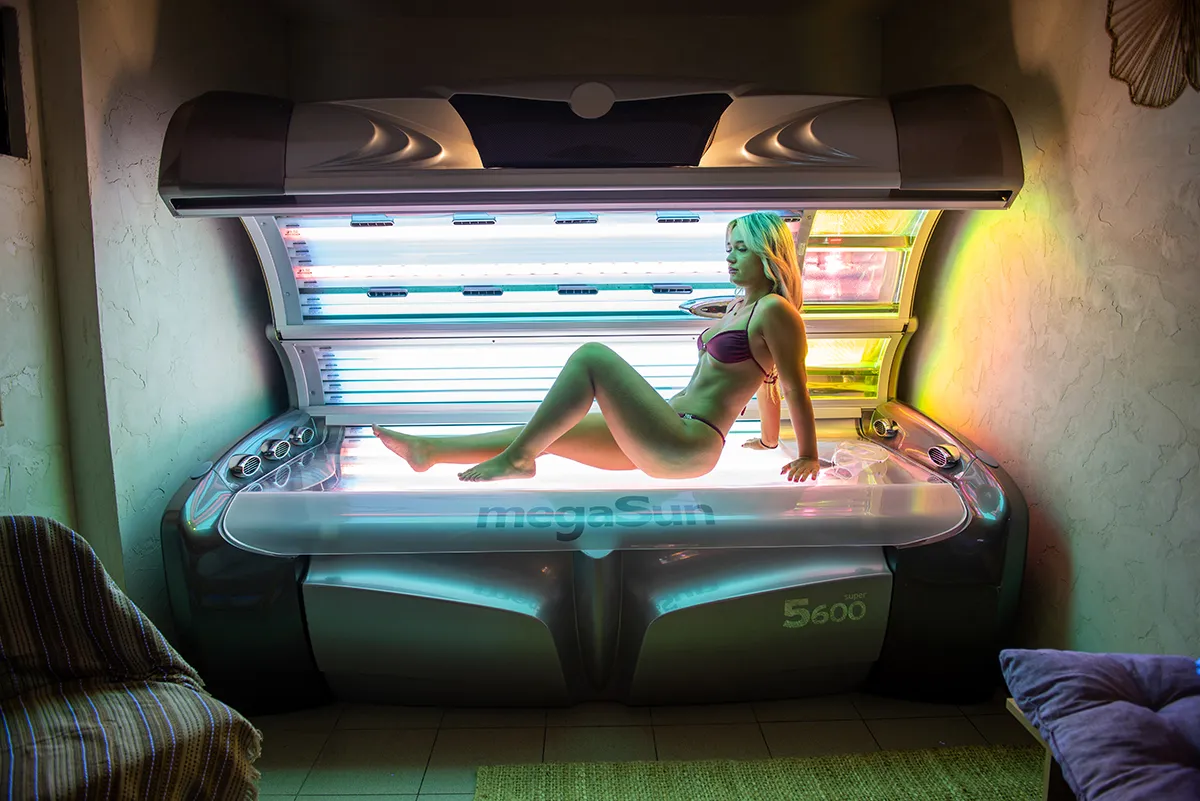
At MegaSun Solarium Larnaca, guests can choose between standing and laying solarium options. The venue operates inside Rise Urban Art Hotel in central Larnaca.
However, the visible result does not depend only on the machine or session length. Skin response remains individual, so some people notice colour faster than others.
Moreover, different body areas can react differently during the same session. Shoulders, legs, stomach, and back may therefore develop slightly different tones.
For that reason, evaluating the complete result immediately can create unrealistic expectations. Instead, allow the skin time before deciding whether the desired colour has appeared.
Visible pigmentation can continue developing after UV exposure. Therefore, the appearance directly after a session may not represent the final cosmetic result.
However, this does not mean more exposure should follow automatically. UV tanning carries recognised skin risks, so sessions should never become excessive.
2. One Tan Session Versus Gradual Colour Development
One Tan Session may provide a beginning, but bronze colour usually develops progressively rather than instantly. Therefore, gradual visual changes often look more natural than sudden colour differences.
Also, starting from a lighter natural tone changes how noticeable the first result appears. Someone beginning with an existing summer tan may notice a different cosmetic effect.
Meanwhile, winter skin may show a more subtle change during the first visit. Consequently, comparing results between seasons can also create unrealistic expectations.
Consistency matters because tanning does not work like applying instant cosmetic bronzer. Instead, the skin responds biologically to ultraviolet exposure.
Therefore, expecting dramatic colour after several minutes can create pressure to overdo the process. A better approach focuses on appearance, patience, and moderation.
Likewise, a deeper result does not automatically mean a better result. Smooth and balanced colour often creates a more attractive summer appearance.
3. Why Different Skin Types Show Different Results
Natural skin colour strongly influences how quickly visible pigmentation appears. Therefore, no universal number of sessions can guarantee the same bronze shade. Some skin tones develop colour relatively easily, while others remain lighter. Moreover, some people experience redness before noticeable tanning develops. Because of these differences, session planning should never copy another person’s routine. Instead, each person should consider natural tone and previous UV exposure.
Existing colour also matters. For example, skin returning from a sunny holiday begins from a different base. Meanwhile, someone who spent winter mostly indoors may begin with much lighter skin. Therefore, the first cosmetic change can look very different.
Body areas also receive different amounts of sunlight throughout normal daily life. Consequently, shoulders and arms may already have more pigmentation than covered areas. This variation can make the first session look uneven even when exposure remains consistent. Therefore, overall balance matters more than immediate darkness.
A schedule also provides time to see how colour develops. Consequently, there is less pressure to chase a dramatic change before one event.
The official Visit Cyprus Larnaka guide describes Larnaca as a compact Mediterranean city with varied coastline.
Meanwhile, Finikoudes remains one of the city’s best-known seaside areas. Therefore, swimwear and summer appearance naturally become part of seasonal routines.
However, indoor tanning does not replace outdoor protection. Sunscreen, shade, protective clothing, and sunglasses still matter under Cyprus sunshine.
WHO recommends sun protection when ultraviolet levels become significant. Spacing sessions can also make cosmetic decisions easier. Instead of focusing only on deeper colour, look at overall balance.
Check shoulders, back, waist, and areas affected by straps. Then decide whether the existing tone already suits the planned outfit. Sometimes the best result comes from stopping earlier. More exposure does not automatically create a more attractive finish.
4. Preparing Skin and Timing Events
Good preparation begins with simple skin care. First, avoid aggressive exfoliation immediately before UV exposure. Instead, choose gentle care that leaves skin comfortable. Irritated skin should not be exposed further. Second, consider products applied before the session. Some cosmetics, fragrances, and medications may increase sensitivity.
Therefore, anyone using medication should check professional medical guidance before tanning. Third, protective goggles should remain part of every session. Closing the eyes alone does not provide equivalent protection.
WHO identifies eye damage among the risks connected with excessive ultraviolet exposure. Fourth, keep skin moisturised between planned sessions. Well-hydrated skin can appear smoother and more even. However, ordinary moisturiser does not replace suitable outdoor sun protection.
Finally, watch for redness, discomfort, or irritation. Those reactions are not signs of a better tanning result. A wedding, holiday, birthday, or beach trip can create pressure for quick colour. However, rushed decisions can produce less predictable cosmetic results.
Therefore, begin with the desired appearance and work backwards. Decide whether the goal involves subtle warmth or stronger contrast. Then allow time to evaluate each visible change. Consequently, the routine becomes easier to stop at the preferred point. Avoid intense exposure immediately before an important event. Redness or irritation may become more noticeable than the intended tan.
Moreover, professional photography can make colour appear different. Strong lighting may exaggerate both tan lines and uneven areas. Therefore, gradual planning works mainly as a cosmetic pacing strategy. It does not make UV exposure safe. WHO recommends avoiding artificial tanning devices because UV-emitting sunbeds increase health risks.
5. Planning Bronze Skin Around Summer in Larnaca
Larnaca makes summer preparation especially relevant because beaches sit close to the city centre. Therefore, beachwear and outdoor plans quickly become part of everyday life.
The official Visit Cyprus Larnaka guide highlights the city’s Mediterranean coastline and central attractions. Consequently, visitors can combine city plans with easy seaside access. Meanwhile, Foinikoudes Beach remains one of Larnaca’s best-known coastal locations. The palm-lined promenade combines beach facilities, restaurants, entertainment, and central-city access.
However, bronze skin from a solarium does not replace sun protection outdoors. Therefore, sunscreen, shade, protective clothing, and sunglasses still remain important. A visible tan offers only limited protection from further ultraviolet exposure. Consequently, beach time still requires sensible sun habits.
This point becomes especially relevant during strong Cyprus sunshine. Therefore, treat tanning appearance and outdoor protection as two separate decisions. Planning earlier can also make the routine feel less rushed. For example, summer holidays often arrive faster than expected. Therefore, deciding on the desired cosmetic result beforehand can prevent unnecessary last-minute decisions. Preparation should focus on consistency, not speed.
One session can create a visible difference, yet that change may remain subtle. Therefore, expecting a complete bronze transformation immediately usually sets the wrong expectation. Moreover, pigmentation differs between skin types, body areas, and existing tones. Consequently, one identical session cannot produce one universal result.
The most attractive cosmetic outcome often comes from watching how colour develops. Therefore, patience matters more than forcing a dramatic change. However, gradual appearance does not mean frequent UV exposure becomes harmless. Indoor tanning still exposes skin to ultraviolet radiation and should never become excessive.
For people who choose solarium tanning, the goal should remain measured, informed, and realistic. Likewise, protective goggles and sensible session planning should remain part of every visit.
Check also our blog posts : Why One Tan Session Is Not Enough For Bronze Skin
BLOG
Discover the Latest in Tanning and Skin Care
Stay updated with the newest tips and trends in tanning and skincare from our blog. Learn how to achieve the perfect tan, care for your skin, and explore the benefits of our solarium.

Why One Tan Session Is Not Enough For…
Bronze Skin Routine explains why one session may look subtle and…
Why Tan Lines Look Better With a Gradual…
Gradual Tanning Routine tips for cleaner tan lines, summer planning, swimwear…